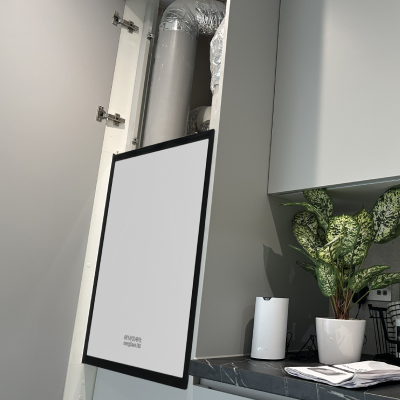
New requirements for compliance with building standards have been translated into an increase of the thermal insulation and better air tightness, particularly with Future Homes Standards, reducing the air exchange from the exterior, thus, making ventilation systems critical to avoid unintended consequences and ensure good indoor air quality. Incorrect design, installation and use of ventilation systems can lead to the build-up of indoor pollutants and cause negative impacts on occupant health. There is a need to better understand the complex factors that connect energy conservation measures and poor indoor air quality, in order to propose better policy, better design and occupant advice.
PhD research into Indoor Air Quality improvement in new build residential, funded by BCU and major home builder partners (Barratt Homes, Redrow, Taylor Wimpey). The research conducts trials to monitor and record indoor air quality in unoccupied and occupied dwellings across the UK, gathering user’s feedback on thermal comfort and wellbeing and evaluating the data obtained to propose solutions than can cost effectively improve the IAQ and thermal comfort in new developments. A key element of the Research is to gain a better understanding of occupants behaviour and home building process, including the things that influence how decisions are made, so we can deliver performance, without causing unintended consequences and in a cost-effective way.
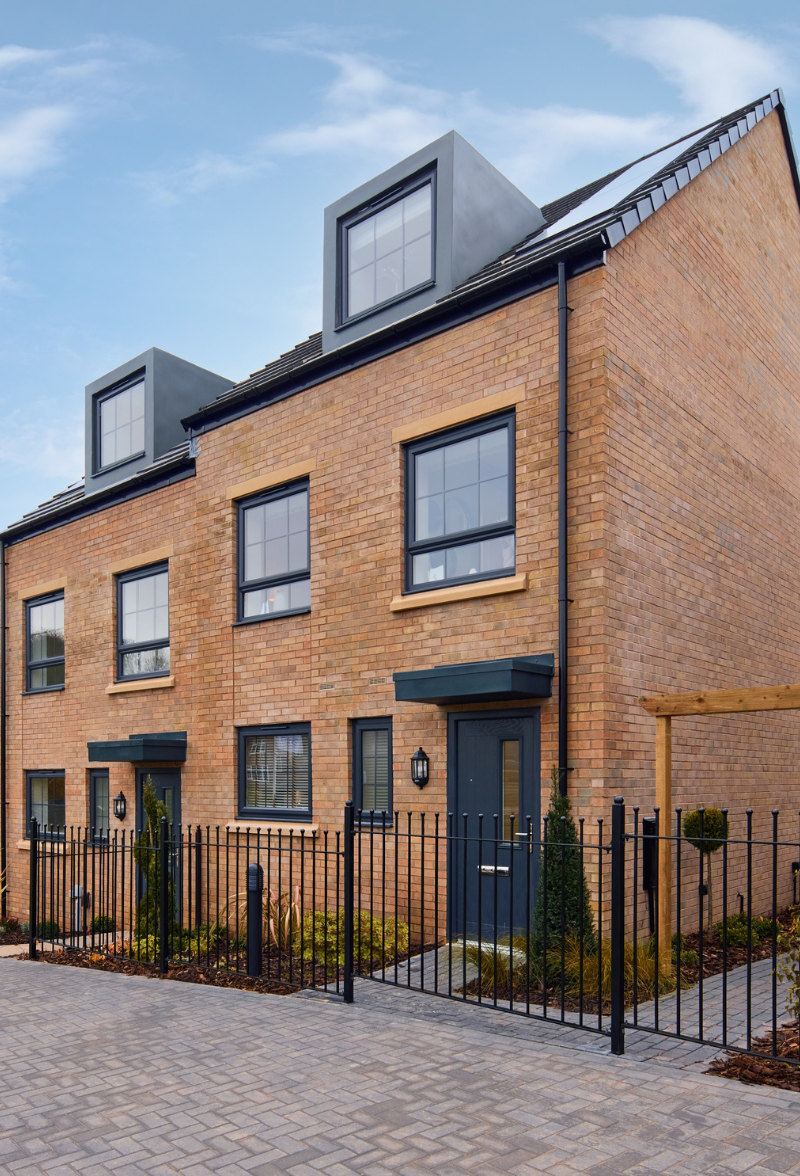
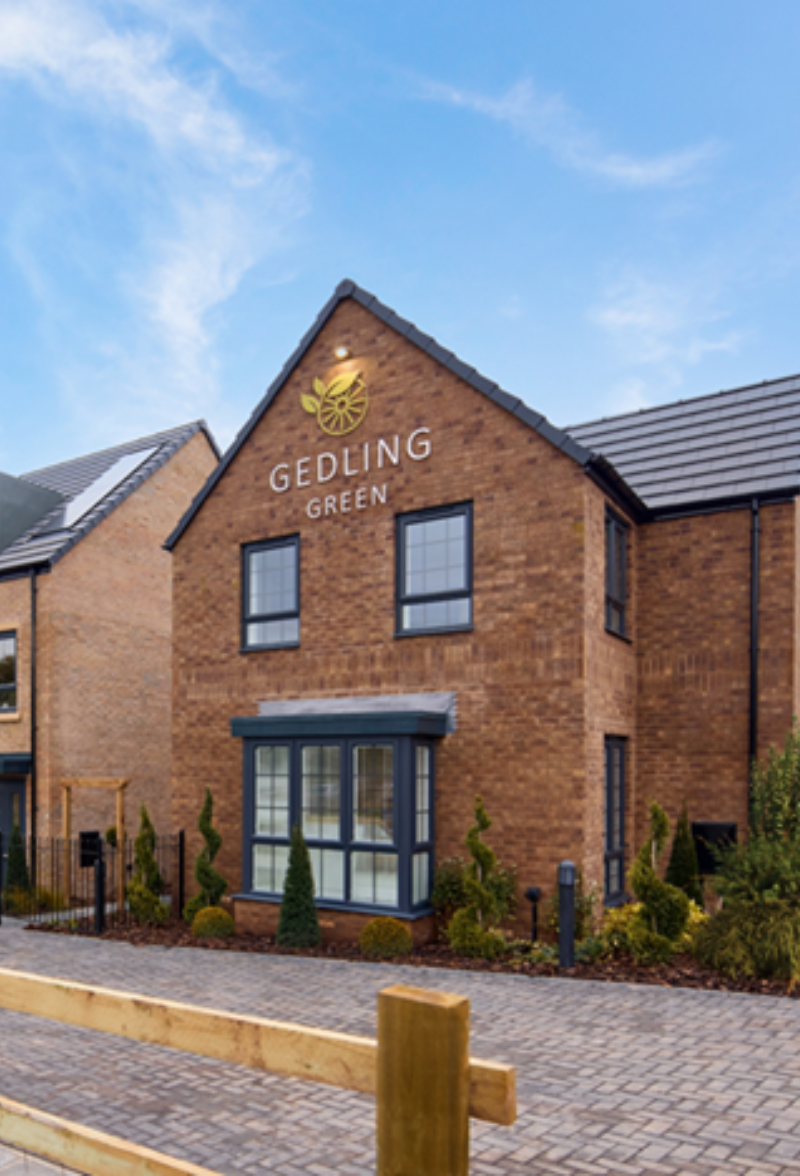
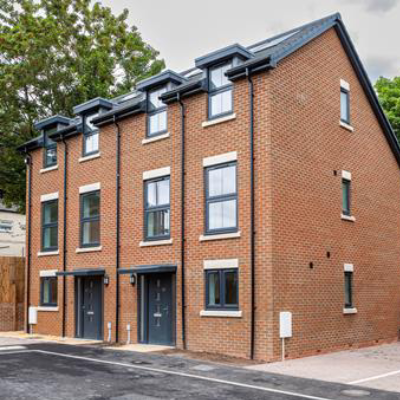
The Centre for Future Homes was awarded funding from the Future Urban Ventilation Network (UKRI, 2020 SPF Clean Air Programme) for the project Impact of different building standards on indoor air quality in homes. This pilot study aimed to compare the indoor air quality of houses built under 2013 Building Regulations with homes built under the anticipated 2025 Future Homes Standard to ascertain the benefits and potential unintended risks. Working with Midland Heart Housing Association, a total of 10 unoccupied and occupied were monitored and the occupants interviewed. The monitoring of unoccupied houses allowed the assessment of the impact of construction materials on indoor air quality. The impact of cooking, window opening, internal door opening, and occupancy were assessed in all the houses.
This research project has provided a unique opportunity to understand the benefits and challenges regarding indoor air quality in homes built under different regulations, particularly the major upgrade anticipated which from 2025. The results found negligible influence of building materials on the indoor environment in unoccupied houses. Little difference in indoor conditions were found between the different standard houses and between those with MVHR and those with spot ventilation. Any differences were associated with occupant behaviour with cooking activities (particularly frying) and door and window opening preferences providing the major differences. The conclusion is that in higher insulated and lower air permeability houses, it is essential that the occupants understand their influence on indoor air quality and the need for and control of ventilation fully provided.
Interested in collaborating with the Centre for Future Homes?