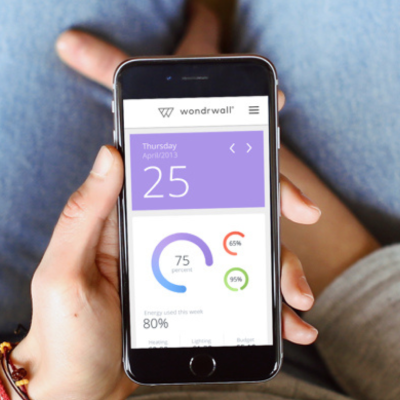
This project aims to overcome the key technical barriers to integration and energy performance optimisation, reduce running costs of heat pumps, and more broadly support improved end-user experiences and acceptance of these systems. This will be achieved by optimising energy management to provide a platform that underpins advanced time-shifting strategies alongside proprietary artificial software intelligence software, using machine learning for dynamic predictive modelling of energy requirements based on their patented sensing technologies.
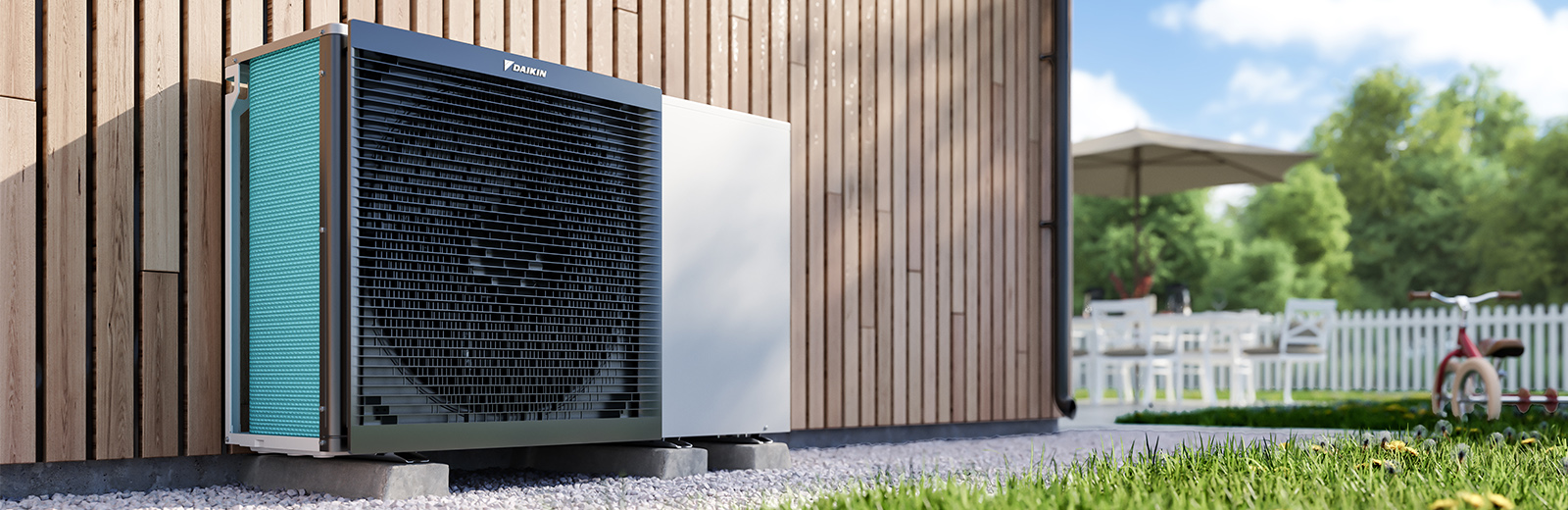
Wondrwall are developing intelligent controls for a (Daikin) heat pump that will:
maximise solar self consumption
use off-peak energy when insufficient solar generation
avoid n consumption at peak times to minimise (eliminate) import and maximise export
provide grid balancing mechanisms through time shifting the heat pump energy consumption
provide behavioural nudges to the consumer to encourage a sustainable behaviour.
The system includes:
Daikin Heat Pump
Wondrwall Home
Automation including the light switches, heating controls
Solar PV array with inverter and battery
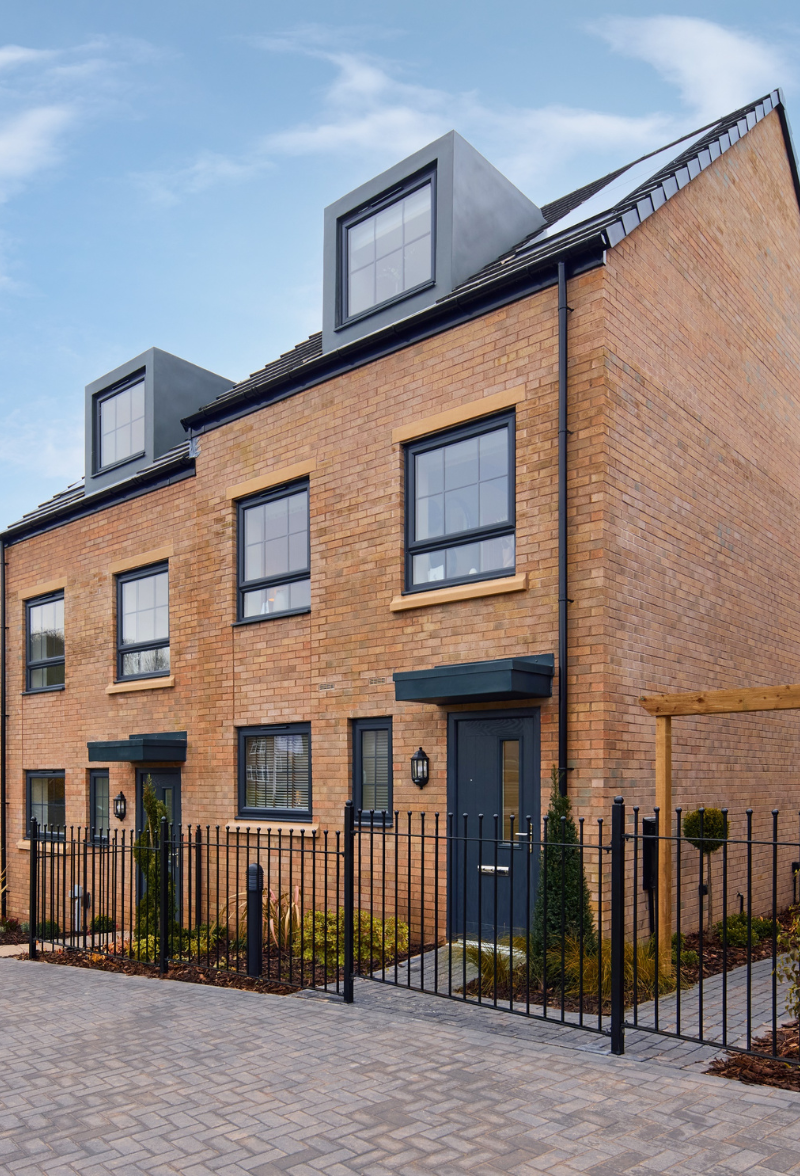
The system will be installed in 20 homes, which will be distributed geographically and be a combination of new build and retrofit with differing levels of fabric quality. The homes will be monitored through the heating season (Sep – Mar inclusive).
The data to be collected will be quantitative:
energy consumed / generated (and timing)
energy imported / exported (and timing)
running costs
internal temperature
And qualitative:
how easy is the system to use
were they comfortable
what did they like / displike
The BCU team will conduct the data analysis of the quantitative data and all the qualitative data package (preparation of interviews to occupants, interviewing occupants and analysis of the qualitative data obtained).
With this project Wondrwall expects the system to reduce running costs for the occupants by £1500-2000 annually (although this will depend heavily on usage and behaviour and house type etc). BCU team will analyse monitored data to assess if this is achieved (or at least an understanding of how it performed versus the predicted results).
As part of the qualitative study, we want to understand how and which behavioural nudges have the greatest impact on the user behaviour (in terms of reducing energy consumption). To what extent can influencing behaviour be a viable strategy to reduce energy consumption (and compare to other areas such as smart controls, efficient heating systems, fabric improvements etc). We also want to understand if the time shifting of the heating and hot water has an impact on the levels of comfort of the occupants. Finally, we want to know if the occupants are happy to leave control of the system to the Wondrwall system (are they confident the system is working in their interest).