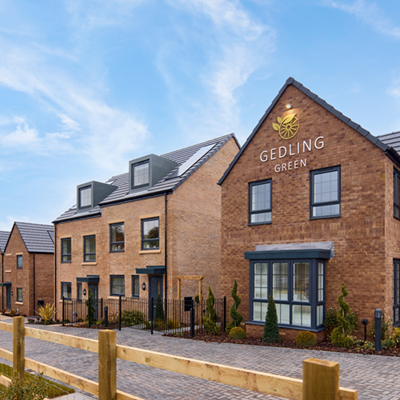
Gelding Green Case Study
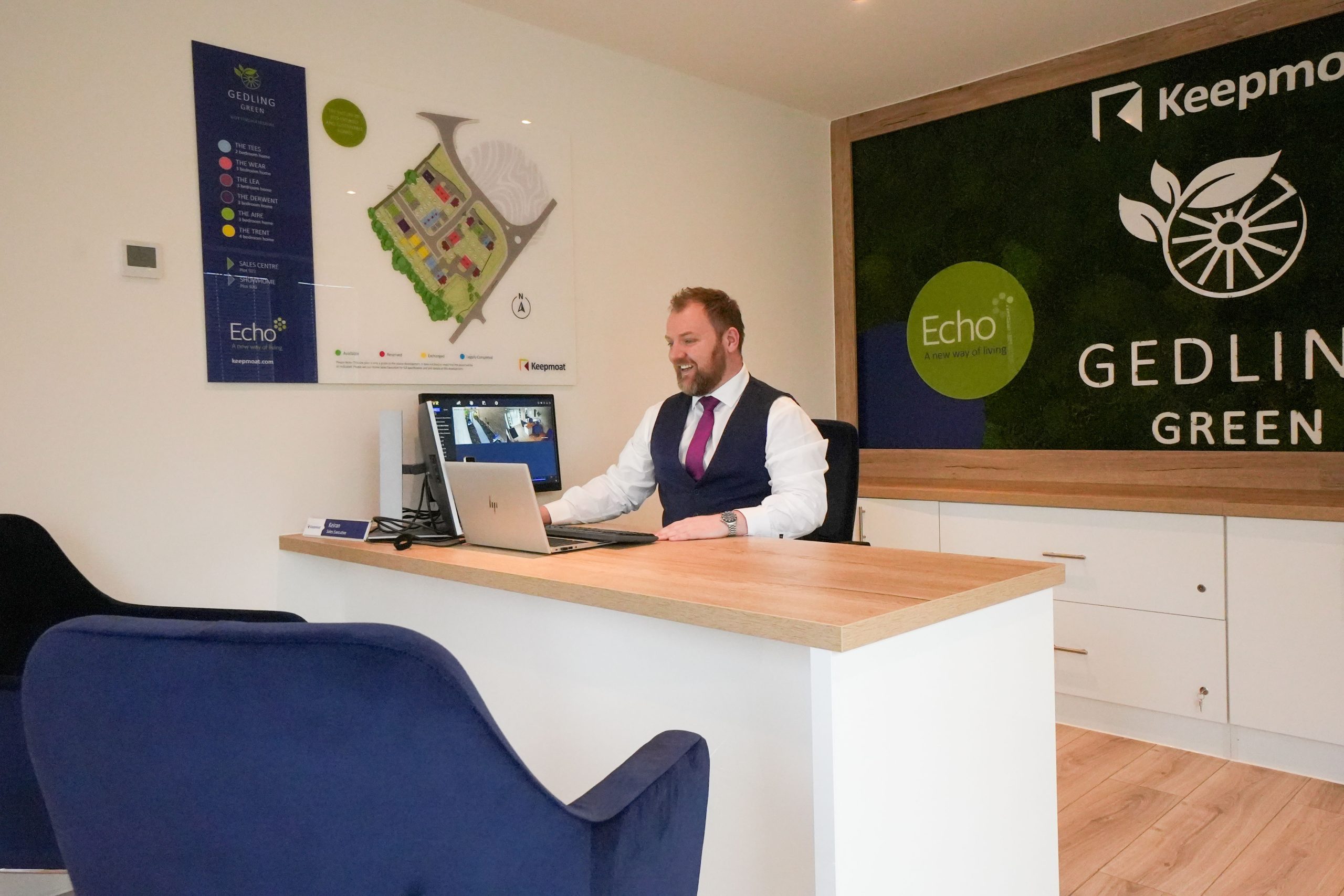
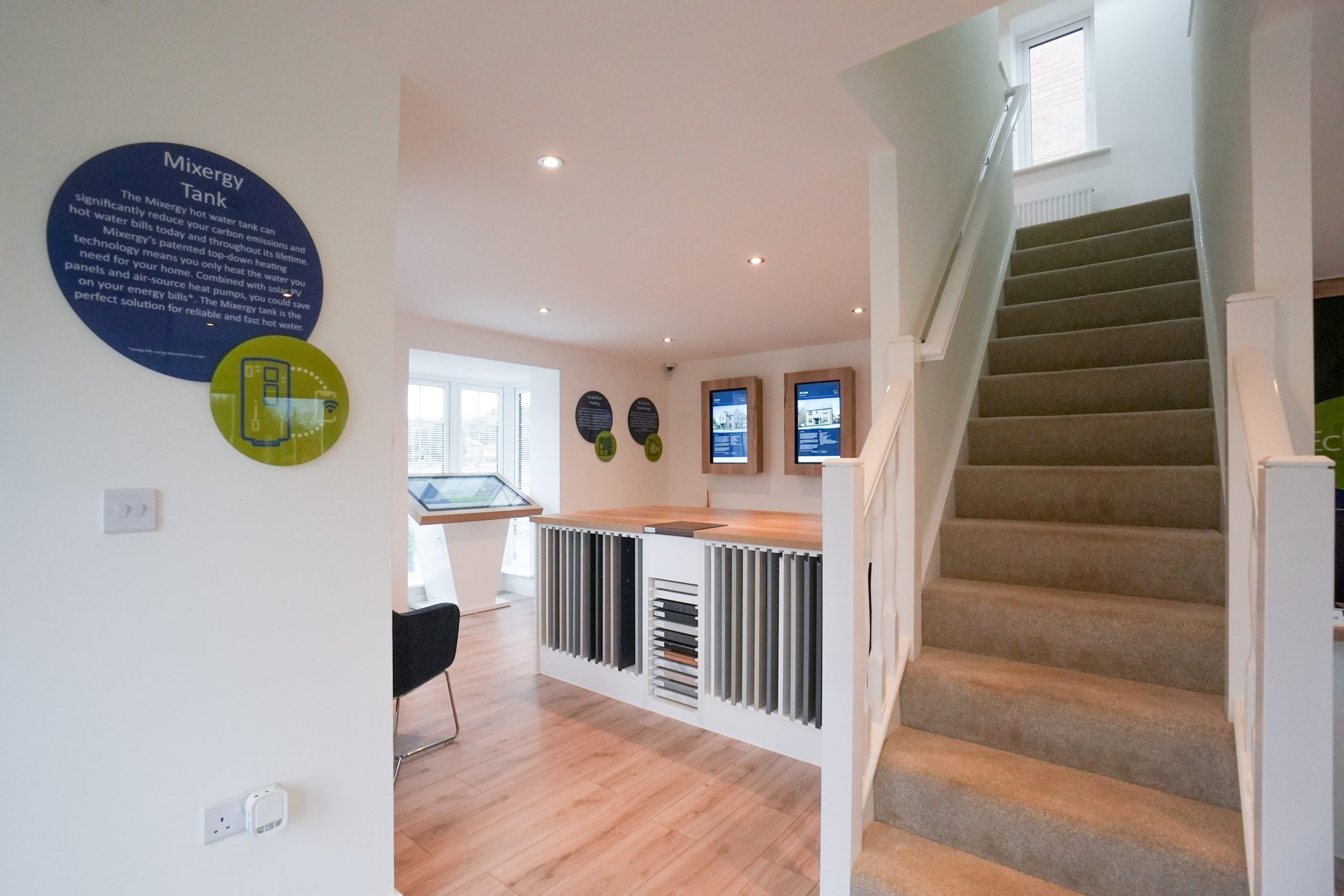
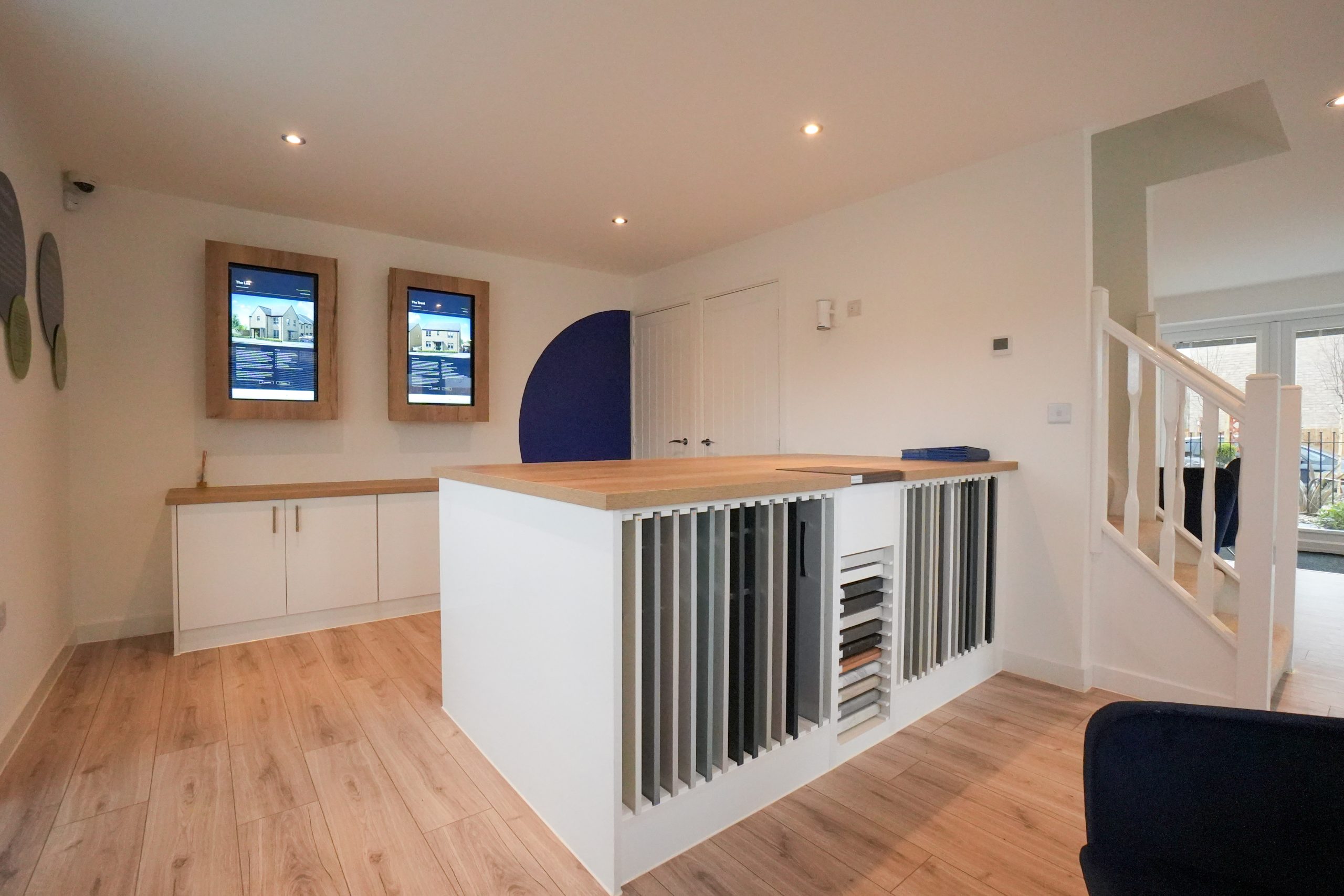
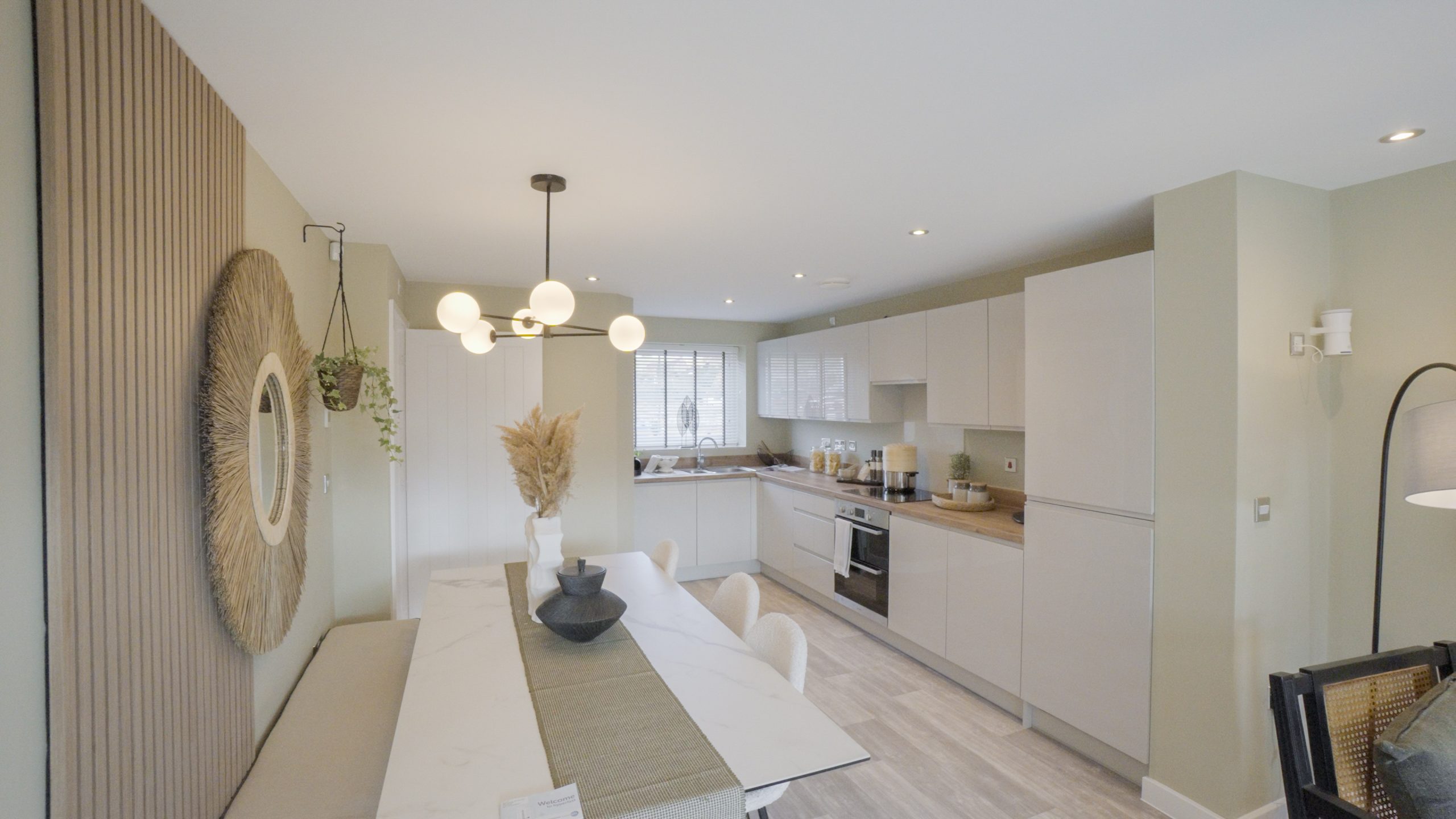
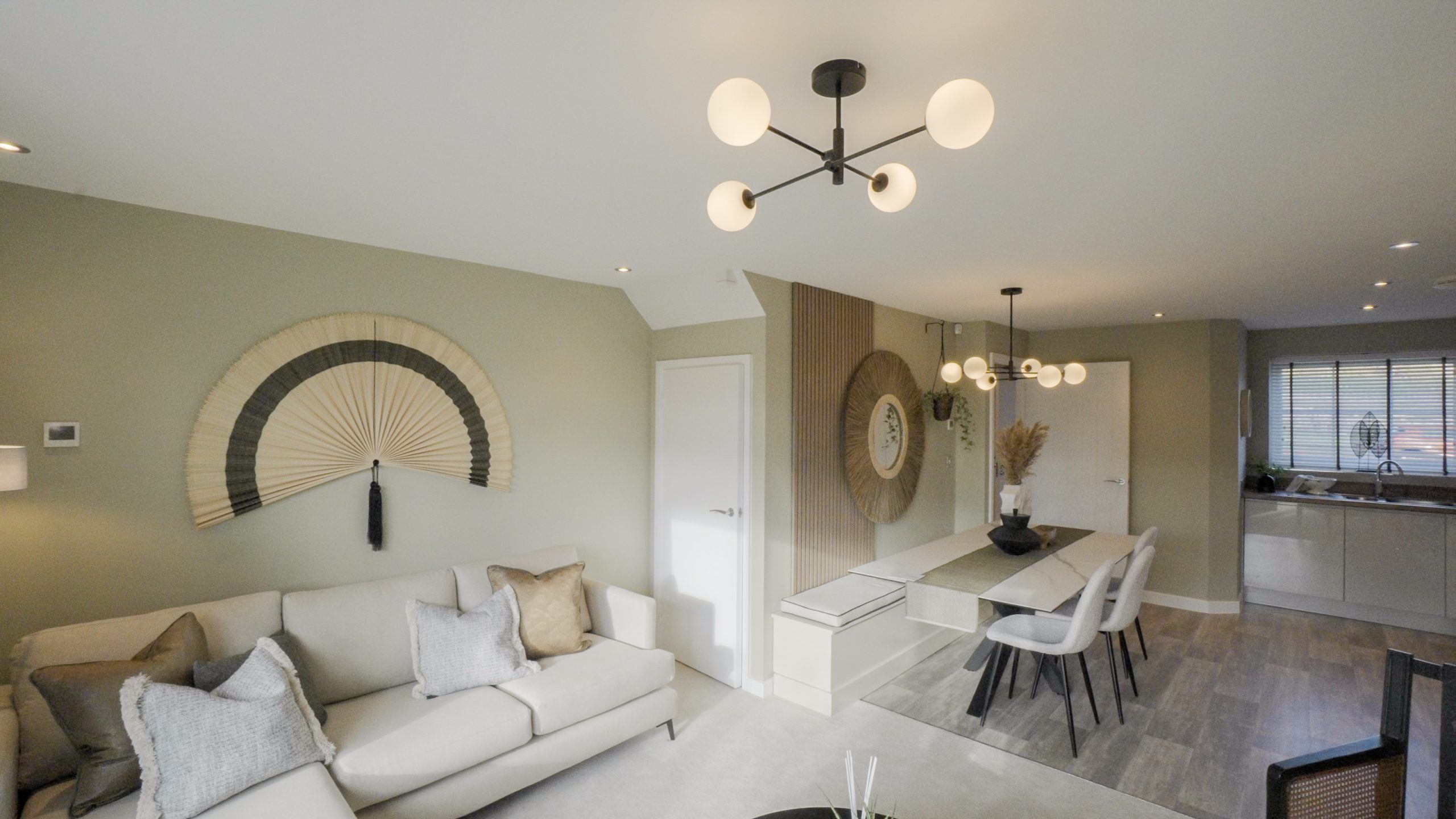
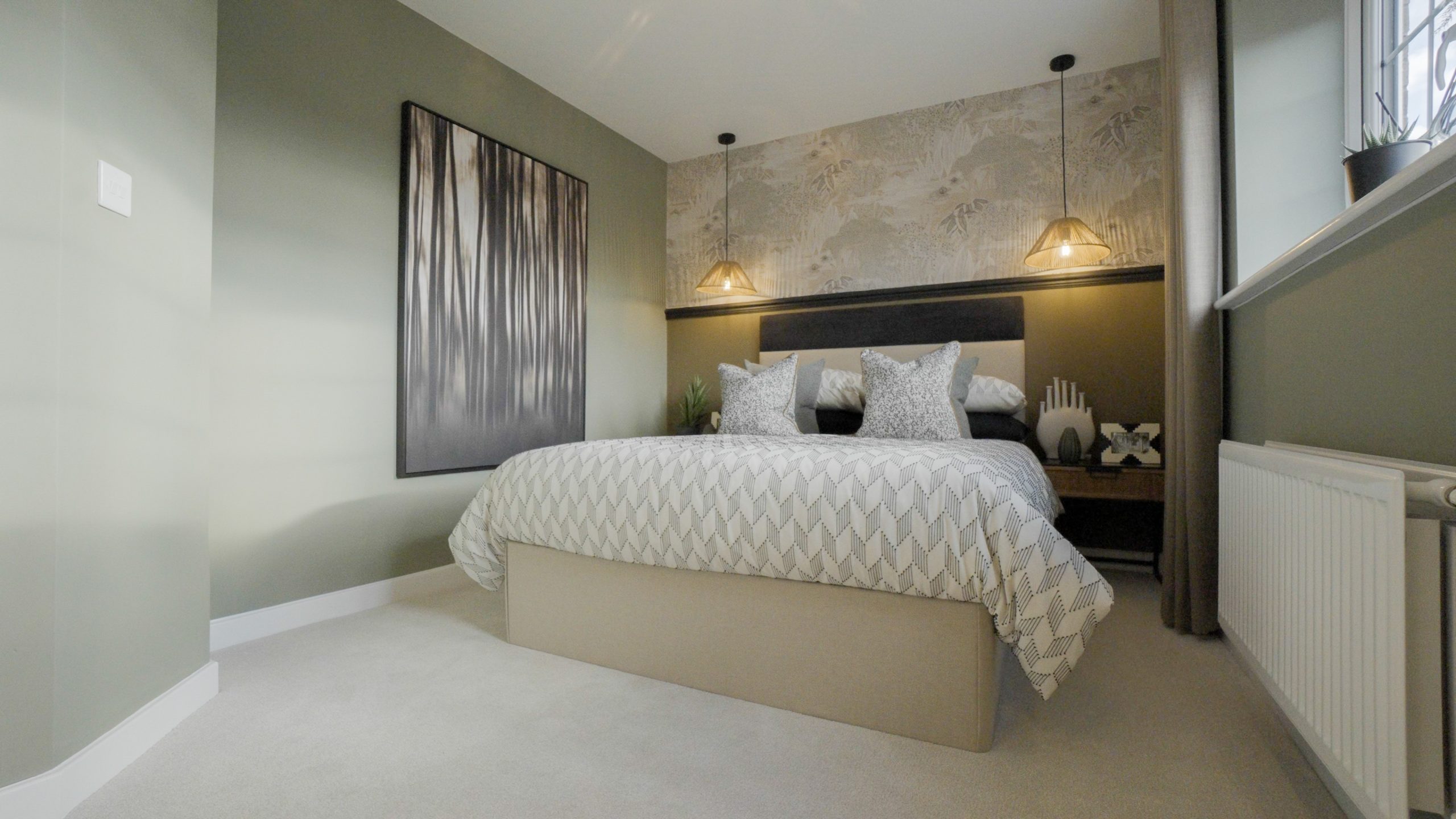
Our changing climate requires us to improve the performance of new and existing homes to prevent heat loss and move away from the use of fossil fuels.
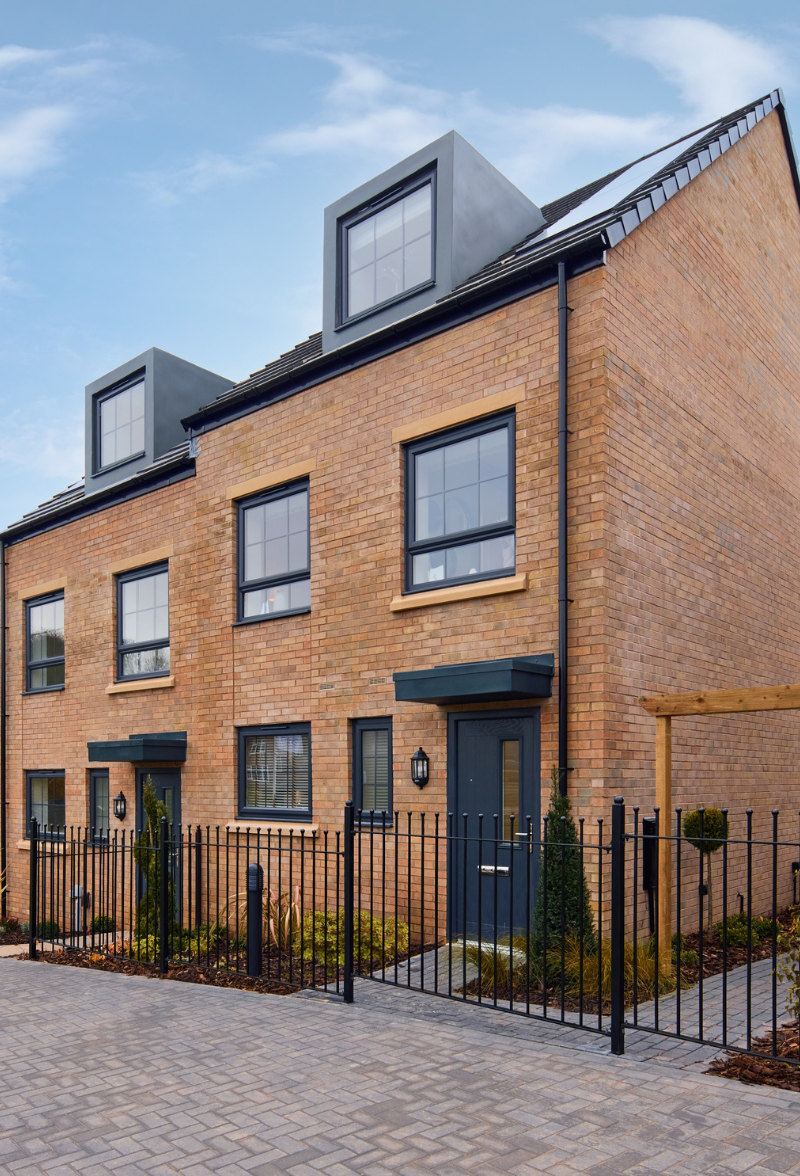
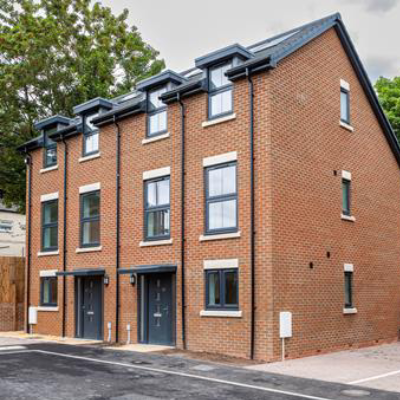
Gedling Green by Keepmoat is the first at scale development of homes for sale, that have been designed and built to meet the Future Homes Standard, which is due to come into effect around 2025. These homes are designed to exceed an 80% reduction in operational carbon compared to 2013 Building Regulations. Purchasers will enjoy the benefits of living in a home of the future and being early adopters of these high-quality, healthy, comfortable, and resilient net zero ready homes.
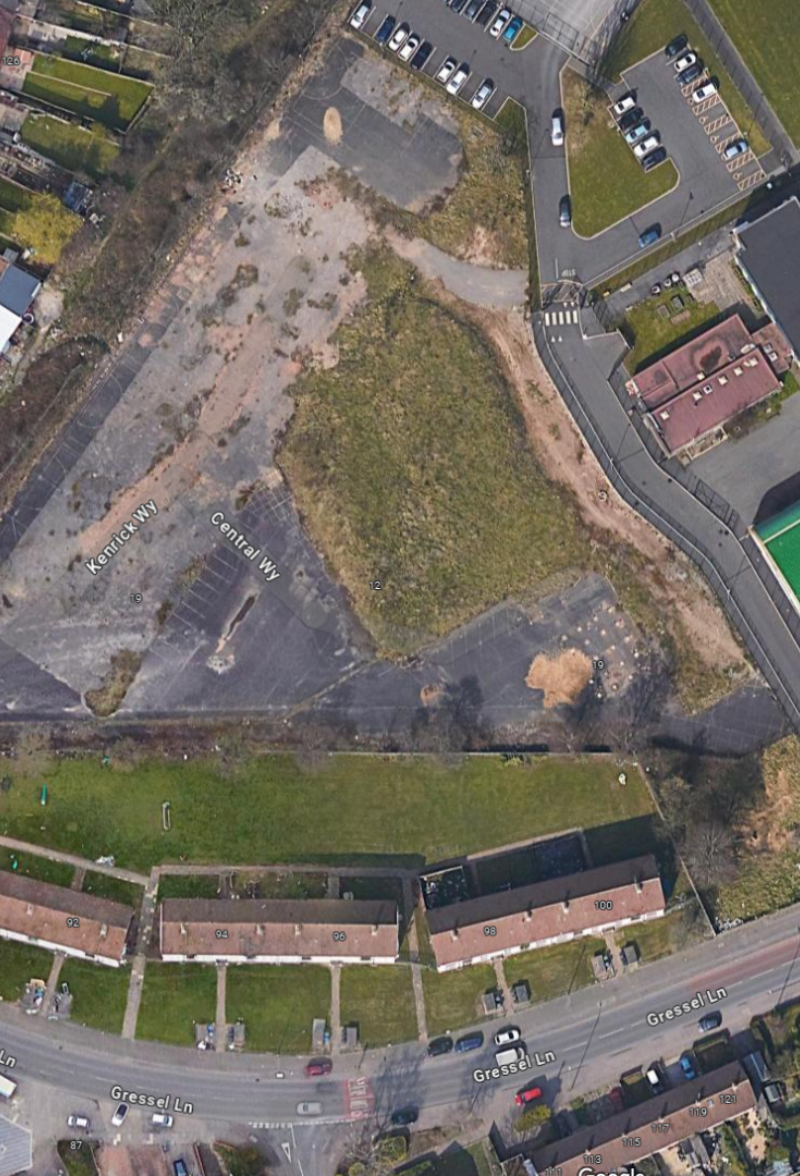
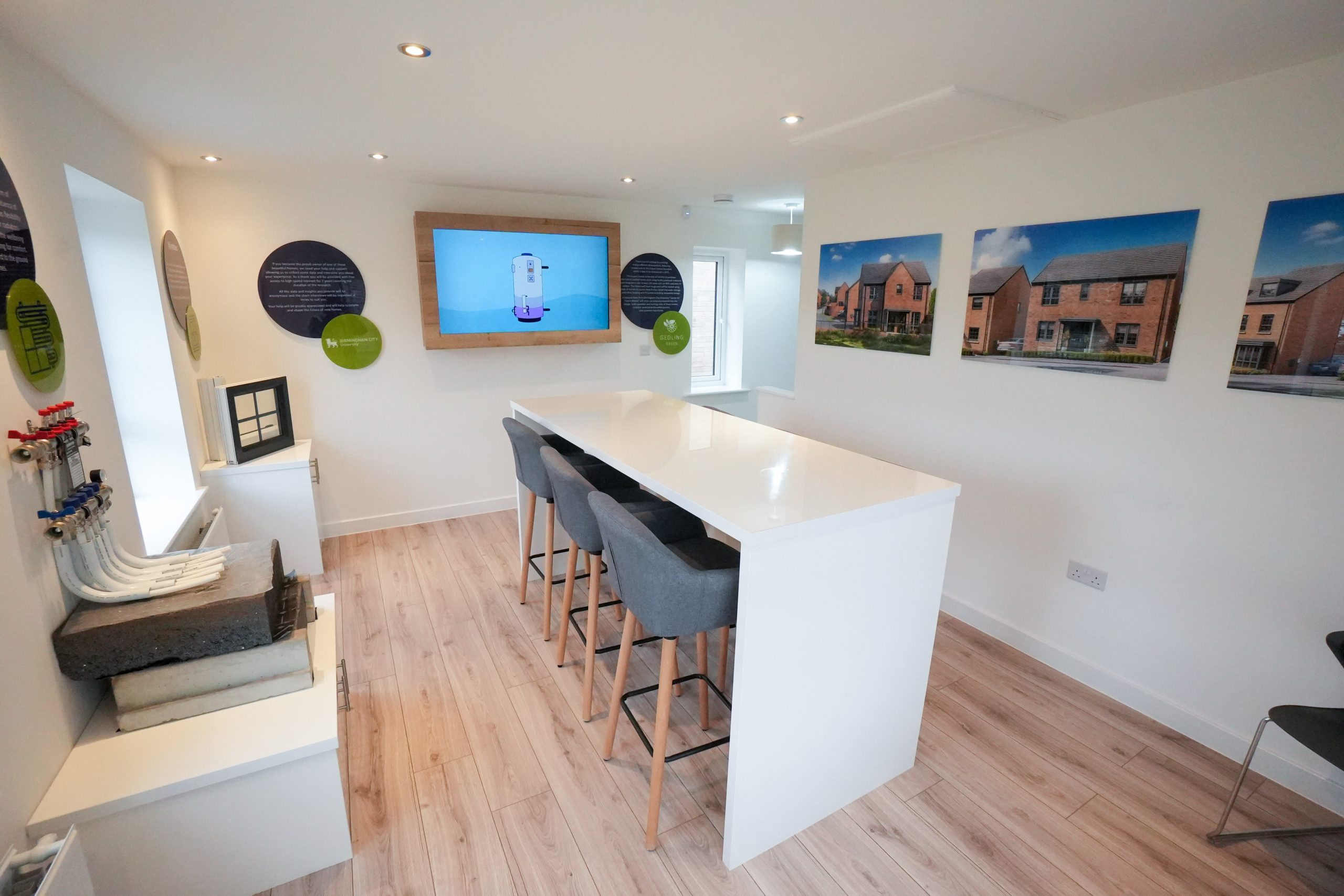
The site is the subject of a two-year research study by Birmingham City University “Centre for Future Homes” which will provide vital insights that will help to shape future regulations and policy.
Shaping the Future
The homes of the future will feature a high performing building envelope, effective ventilation, and no gas, as we transition to electric heating and cooking systems. They will be efficient and cost effective to run and maintain, and will be equipped with Electric Car Charging facility.
Fabric
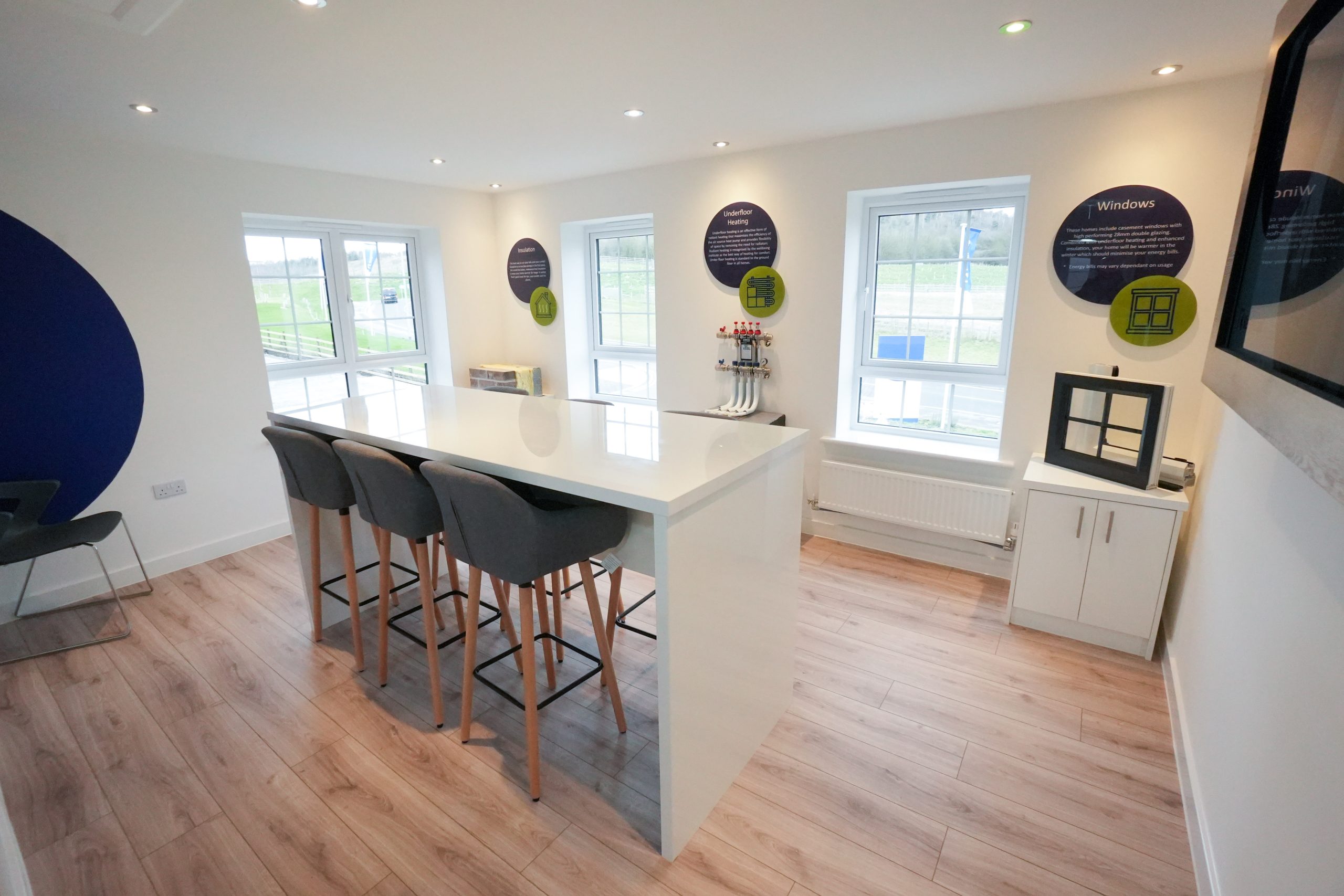
The building envelope is formed of non-combustible brick and block and concrete roof tile construction with mineral wool insulation. The inclusion of high performing double-glazed windows and doors ensures that heat loss is reduced to the minimum.
Designed to last at least 150 years, this method of construction will be resilient and safe as we experience the predicted effects of climate change, including the need to keep warm in winter and cool in summer. It is also adaptable to meet the owners immediate and future needs.
Heating and Ventilation systems
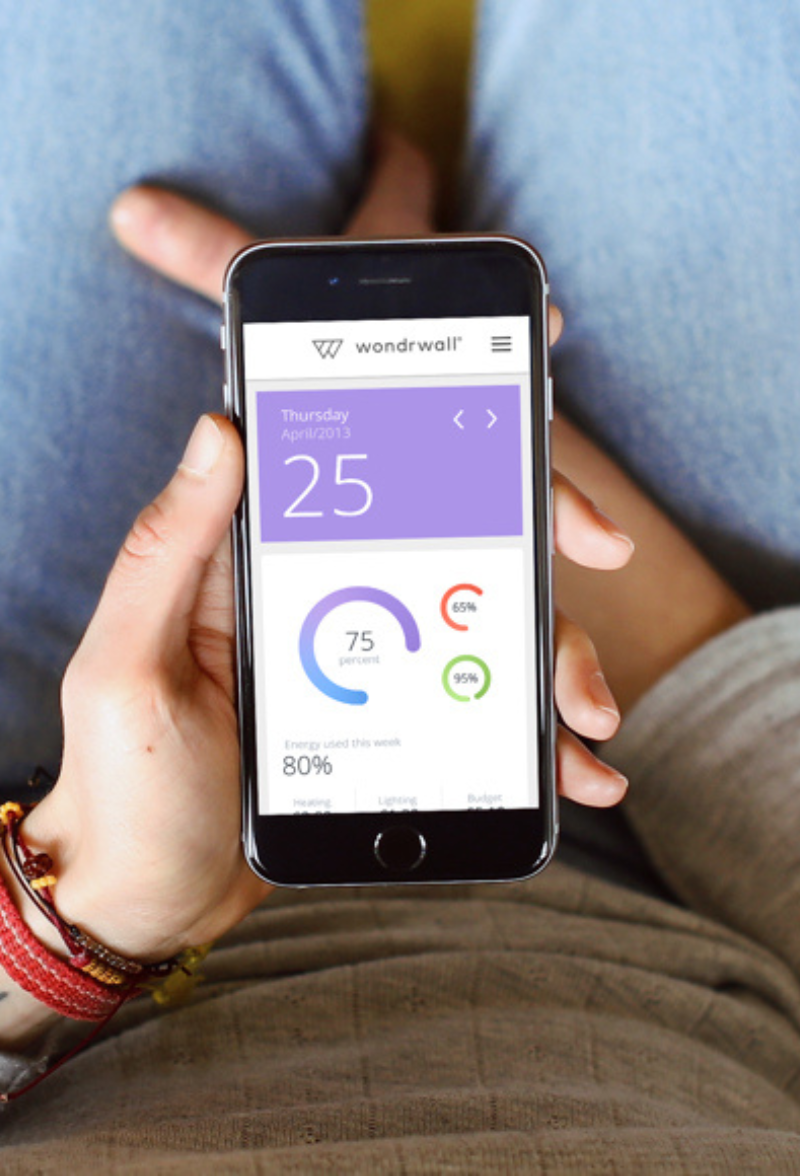
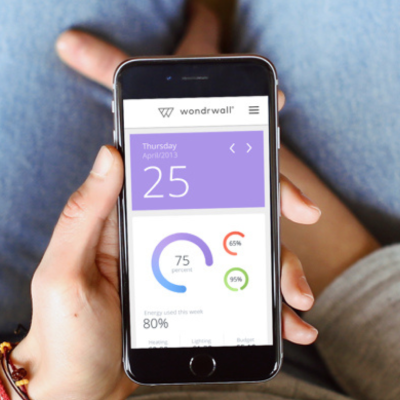
The integrated heating system is key to the cost-effective operation of net zero ready homes. The homes at Gedling Green feature PV panels on the roof, linked to a smart hot water cylinder that learns the hot water requirements of the occupiers so only heats the water needed, saving money and carbon.
The heat pump uses technology like that found in a refrigerator or an air conditioner. It extracts heat from a source, such as the surrounding air, it then amplifies and transfers the heat to where it is needed to provide hot water and space heating.
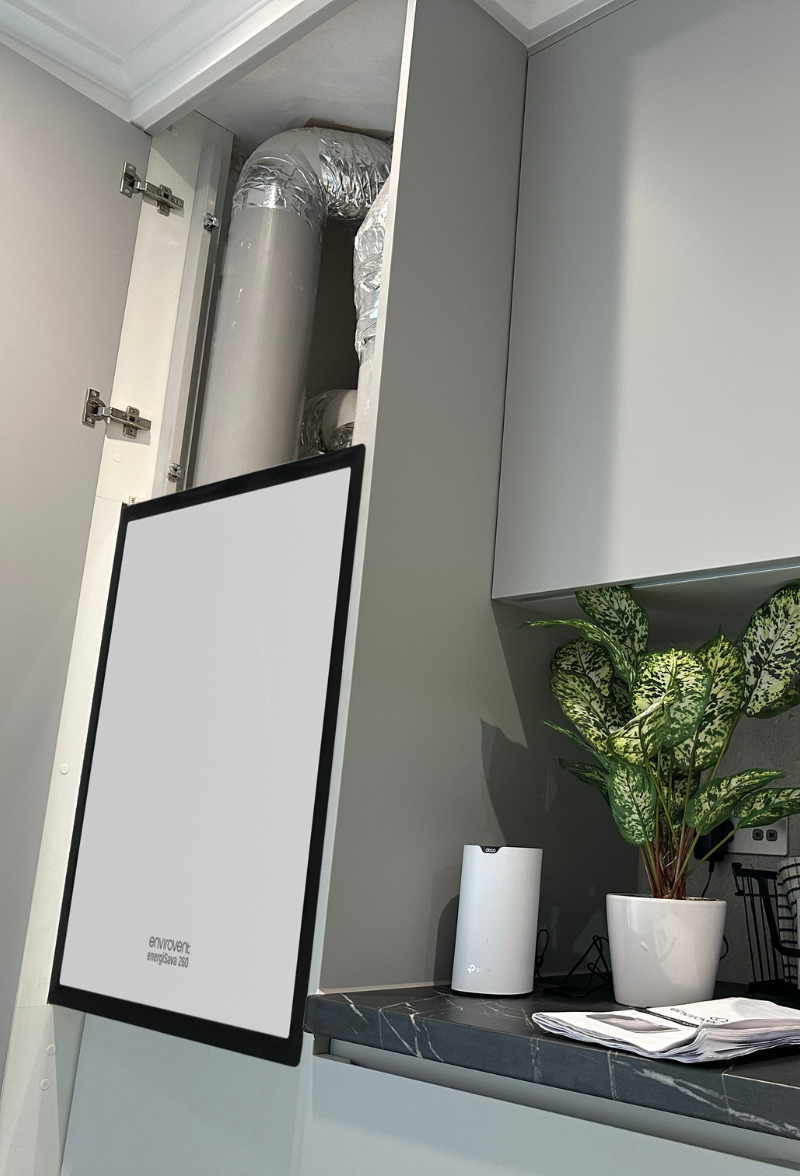
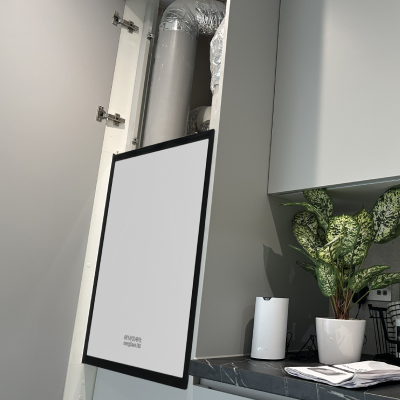
The ground floor benefits from underfloor heating which adds to the comfort and maximises space. The inclusion of an effective ventilation system ensures the air quality providing a comfortable and healthy indoor environment.
What we learned from Gelding Green?
- The development emphasises the need to improve the performance of homes to prevent heat loss and reduce reliance on fossil fuels, aligning with the Future Homes Standard set to be implemented around 2025.
- These homes are designed to achieve an 80% reduction in operational carbon compared to 2013 Building Regulations, showcasing significant advancements in energy efficiency and sustainability.
- The homes offer high-quality, healthy, and comfortable living environments, making them attractive to early adopters who value sustainability and innovation.
- The two-year research study by Birmingham City University’s Centre for Future Homes will provide valuable data to shape future regulations and policies, ensuring that new standards are both practical and effective.
- The use of non-combustible materials, high-performing insulation, and double-glazed windows demonstrates a commitment to reducing heat loss and enhancing the durability and safety of homes.
- The integration of PV panels, smart hot water cylinders, and heat pumps highlights the shift towards electric heating and cooking systems, which are more efficient and environmentally friendly.
- Features like underfloor heating and effective ventilation systems ensure that homes are not only energy-efficient but also provide a comfortable and healthy indoor environment.
- The homes are designed to last at least 150 years and are adaptable to meet the immediate and future needs of occupants, making them resilient to the effects of climate change.