Systemic failures are still happening on our watch
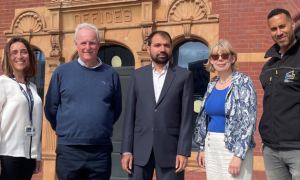
The Centre for Future Homes, which will open on Birmingham City University’s (BCU) city centre campus later this year, is a research group consisting of BCU academics and construction industry experts.
ThA Visiting Professor from the Centre for Future Homes has called for a united response from the UK housing industry to address failures outlined in the final report into the Grenfell fire.
Seven years after the tragic Grenfell fire he is still calling for the housing industry to do more: “This report has outlined the systemic failures of a construction sector driven by a race to the bottom, incompetence, very poor behaviour and inadequate regulation and control”. It is totally unacceptable that many buildings over 18 metres high and thousands over 11 metres high are yet to be remediated and that this continues to blight the lives of residents who are hostages in unsafe buildings causing financial and mental health issues.
“As we reflect on the loss life, we must fully embrace the new legislation and effect a major cultural change, putting life safety and quality first. Our buildings should be non- combustible and resilient to the effects of climate change including overheating, wind, flood and wildfires.”
The failures of course run much deeper than might be imagined. It all starts with a culture of cost cutting driven by a procurement cycle where the cheapest price often trumps other considerations including quality and sadly life safety. We have also witnessed Government actions to deregulate and allow the greater use of combustible materials despite a timeline of disasters dating back to the Great Fire of London and of course more recently the Lackanal Fire in London in 2009. Despite numerous warnings the Government failed to act and 72 people died in the Grenfell Tower Tragedy.
Trust and Confidence in local and National Government is further eroded by a refusal to listen to the voice of the tenants. The residents of Grenfell repeatedly and accurately predicted the disaster that was about to happen but sadly they were ignored, for 7 years we continue to play a game of chance, hoping that another Grenfell does not occur.
The rush to privatise building control building product fire testing, has opened up more room for greed to outweigh integrity. The Grenfell Inquiry identifies incompetence and poor behaviour. Perhaps we should not be surprised that organisations seeking commercial advantage were seemingly prepared to work with manufacturers to construct a method to produce a positive test result.
If that wasn’t bad enough, we have witnessed wholly unacceptable behaviours of those involved in the specification, design, and installation of the changes to Grenfell Tower which changed a non-combustible concrete building into an inferno. Not only did companies and individuals take on work that significantly exceeded their competence, but they also lied and cheated in order to win orders, with a total disregard for the life-threatening consequences.
Birmingham City University and The Awarding Body for the Built Environment (ABBE) continues to work with industry to develop routes to ensure people are competent in their roles and can demonstrate the right behaviours.
Action is required now to ensure the end of a culture that resulted in this tragic loss of life and has blighted so many people’s lives. We must put in place and enforce robust competency and behaviour policies across Government and industry. The quantum of the risk we still face from legacy buildings must be understood and a plan implemented to remedy and sign off the affected buildings at pace.
We must also ensure we fully recognise and legislate for a resilient future where wildlife’s will become more common. The risk of horizontal fires affecting low rise buildings such as the Paradise in California in 2018 which resulted in an even greater loss of life than Grenfell is real and tangible. The time has come to insist on non-combustible construction in all buildings where there is a sleep risk.
“Today our thoughts are with those who lost their lives and with their families. We must never forget the human cost of this wholly avoidable event.”